intjonathan
Toxic Teams and their Antidotes
by Jonathan Owens
This is an adaptation of a talk I gave about how terrible teams can become an addiction, and what we can do about it.
There are so, so many ways people are terrible to each other, and we’re only going to cover one angle of it - how terrible teams can become an addiction.
I have to give credit here, the inspiration for this talk comes from a widely read, peer-reviewed journal… LiveJournal in fact. If you’d like to check out the essay behind this talk, feel free: issendai.livejournal.com/572510.html

This material will probably make you uncomfortable at some point, as it should if you are a decent human being that doesn’t want to hurt others. If at any time you feel the need to step out, please do so.
(Anti-)Goals
So let’s say you wanted to build a team full of people that were really productive and worked hard, who served your whims unquestioningly and tirelessly. What if you were also… evil? Here’s what you should do:
Keep them too busy to think
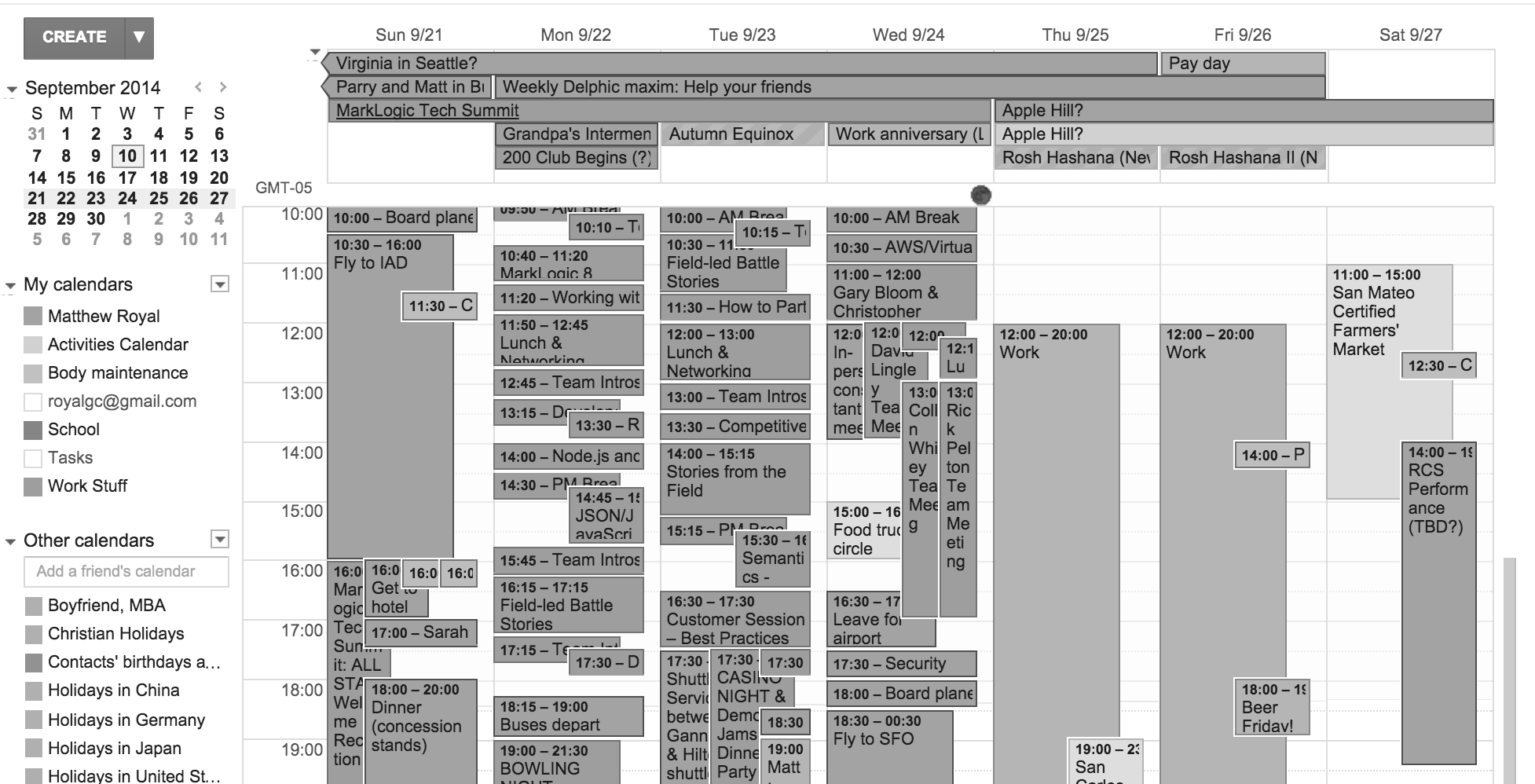
Chop up their time with meetings, walkups, timeboxes, quotas, and alerts. Too much free time means people are going to start thinking and asking awkward questions. There might be silence, and people might start getting ideas. You want them thinking about your ideas, not theirs.
Keep them tired

Tired people can do the task they’re asked to do, and don’t wonder why. They tend to accept what’s presented to them, they have their defenses down.
Keep them emotionally invested

Tell them about how they’re worthless, and will never be good enough to work for you, to join your service, or be in the in-group. Expect their unquestioned loyalty at all times, and badmouth those who leave as “not good enough anyway.” Fatigue plus intermittent rewards drives attachment.
Reward intermittently

These are the most powerful rewards there are. People will keep pushing to get them no matter the cost. You’ll have people addicted to working for you and not even know why.
(Anti-)Techniques
What are some techniques to make sure people end up like this?
Small, occasional successes
This should be a task with a regular time but variable chance of success. Did you hit your quota today? Were you on time for all your meetings? Did you upsell enough warranties? A small run of these and your team will have the hope that things have turned the corner… until they don’t.
Perpetual interruptions
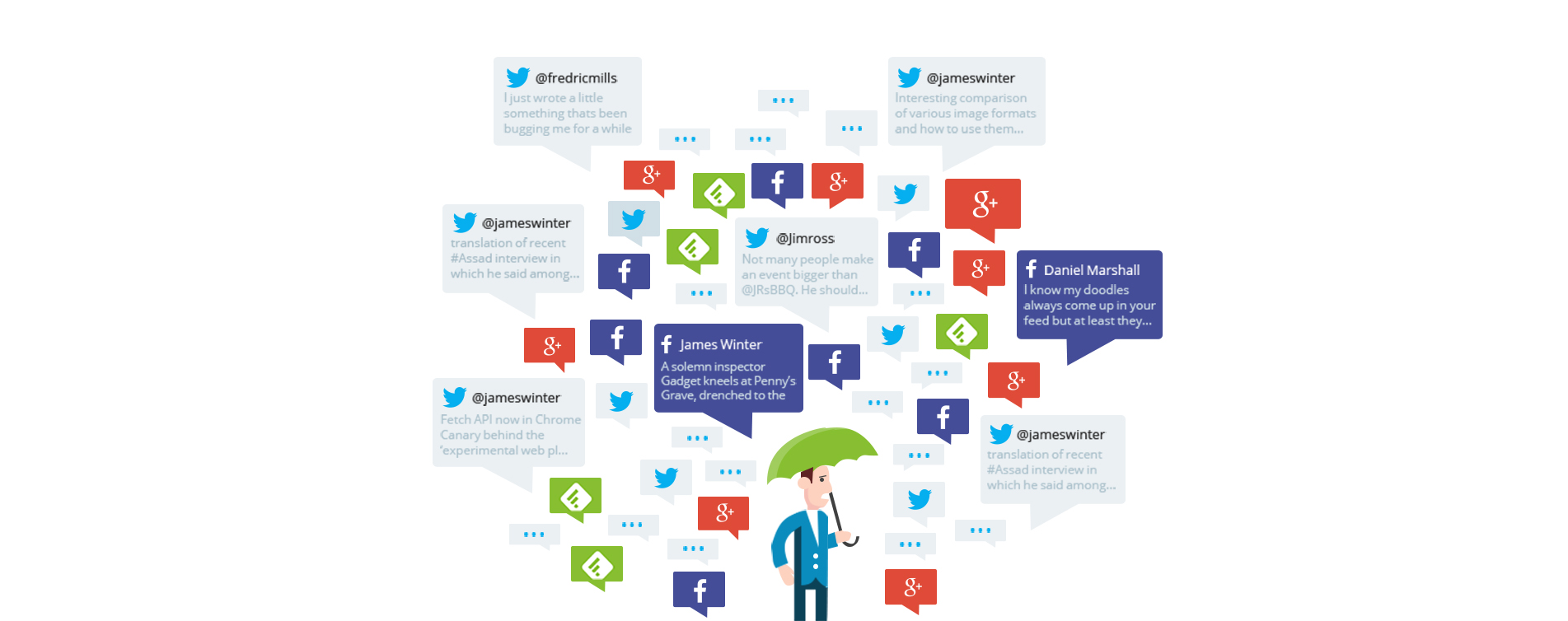
Demand their attention at short intervals throughout the day, but never permit them to do the same to you. Cancel their meetings, or call them at short notice. Don’t allow them private space anywhere - no doors, no offices or walls if you can avoid it. Monitor breaks on a strict schedule.
Entangled dependencies

Make your team’s success dependent on their behavior, not your leadership. If you weren’t so bad at making reliable software, we wouldn’t have so many outages. If you really believed changing the world with an electric car was worth it, you’d be happy to work 100+ hour weeks for nothing but cereal. Our group is the only way to save humanity, we expect you to sign this billion-year contract.
Distant rewards

Put the changes needed on the schedule, but don’t actually schedule any work to achieve them. Something else will get put in there anyway. We’re just responding to the market this quarter, this month, this week. It’s a real shame we couldn’t schedule that project you wanted, or afford the bonuses this christmas.
Constant scarcity
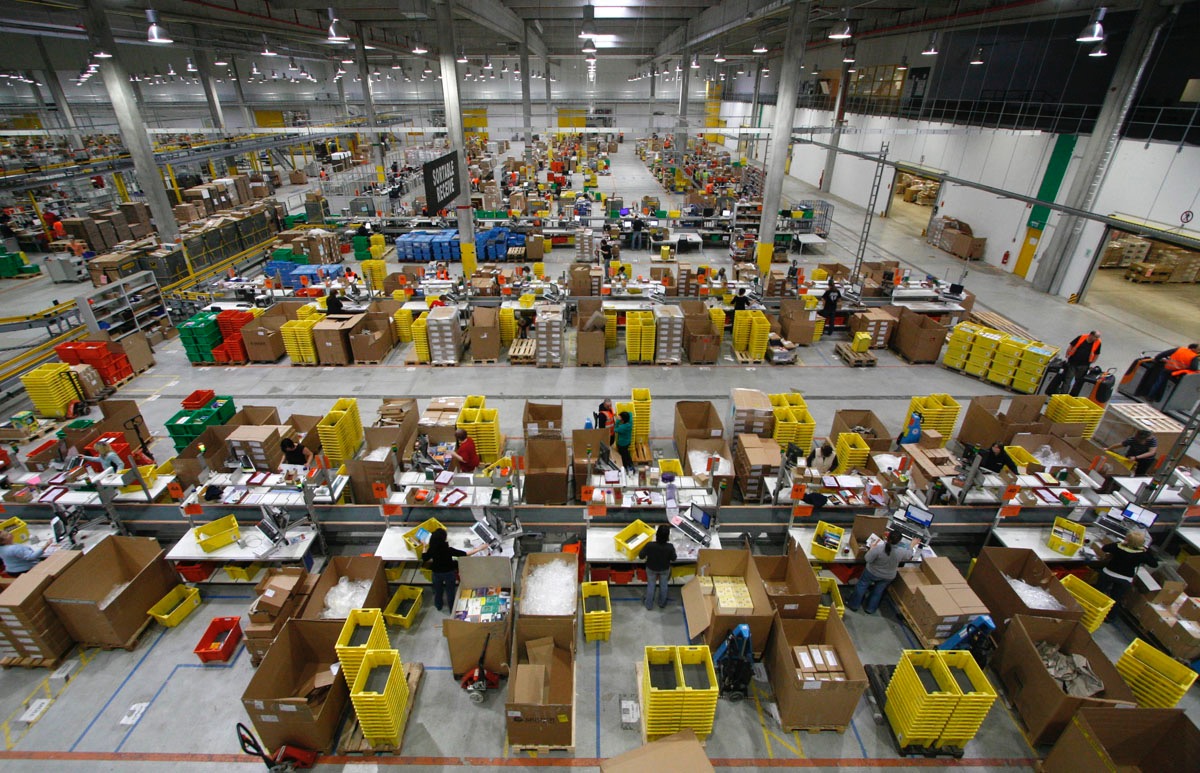
The classic technique is the neverending budget crunch. Well, we keep prices low by being frugal, so no, you can’t have a new macbook, a comfortable chair, an office, a break. No, we can’t spare you that week - can you reschedule? Everyone’s going to work packing boxes this christmas, no exceptions.
All of these things work together to make a bad workplace or a bad relationship addictive. You’re run off your feet putting out fires and keeping things going, your own world will collapse if you stop, and every so often you succeed for a moment and create something bigger than yourself. Things will get better soon. You can’t stop believing that. If you stop believing, you won’t be able to go on, and you can’t not go on because everything you have and everything you are is tied into making this thing work.
Antidotes
Increase the calm

Real change requires space to unfold. Ideas are desperately fragile when they’re first formed. If everyone’s too busy to grow their ideas, that risky new change just turns into a conversation over lunch that ends in “someday,” or a grumpy one-on-one.
Go home on time

Love your Saturdays. The people you really love shouldn’t need to pay you to spend time with you.
Abdul Kalam, the 11th president of India and an excellent engineer, was super into this.
Love your job but don’t love your company, because you may not know when your company stops loving you. Work is a never-ending process. It can never be completed. A person who stays late at the office is not a hardworking person. Instead they are a fool who does not know how to manage work within the stipulated time. They are inefficient and incompetent in their work. You did not study hard and struggle in life to become a machine.
Unique pictures of success

You don’t really know what makes people happy. You don’t. This is Rupert Grint, he played Ron Weasley in the Harry Potter movies. He’s worth $40M, and likes to drive his ice cream truck around and give away free cones. He got rich and famous… now he does this. Letting people go do stuff like this drives ownership of the work and pride in its quality. As James Altucher puts it:
…get good at three or four or five things. Then find the intersection. Then become the best in the world at the intersection.
Real, regular rewards

Rewards should be regular - predictable, uniform, and achievable. They should also be real - they should accelerate and encourage people on the path to their unique picture of success.
The cost of excellence

These antidotes help team members build Mastery, Autonomy and Purpose, which is what empowers people to take joy in their work. They also radically increase the risk that any or all of the team members may leave. Their fear, addiction and primal attachment isn’t keeping them there. They’ve got all this extra time to think about the things they’d like to be doing that aren’t work, and you’re rewarding them generously enough that maybe they just go pursue that. This is a real risk! And I say it is the cost of excellence.
Know that the organization around your team and the resources that your team manages naturally tend toward sickness of all kinds. Companies go through stages of real scarcity, real high-tempo projects, real intermittent successes. Systems go through phases of crisis, outages, and dataloss. Money does get tight. But you must never blame your employees or expect their loyalty in the face of extreme situations.

If your status as a person or a professional is tied to your status in the team, or company, or industry, it creates a system that drives fear of change, fear of speaking up, fear of taking risks in the status quo. We in the business of technology talk a big game about disruption, but try picking a fight with any of these smiling guys and see how much they value disruption.
tags: